All Categories
Featured

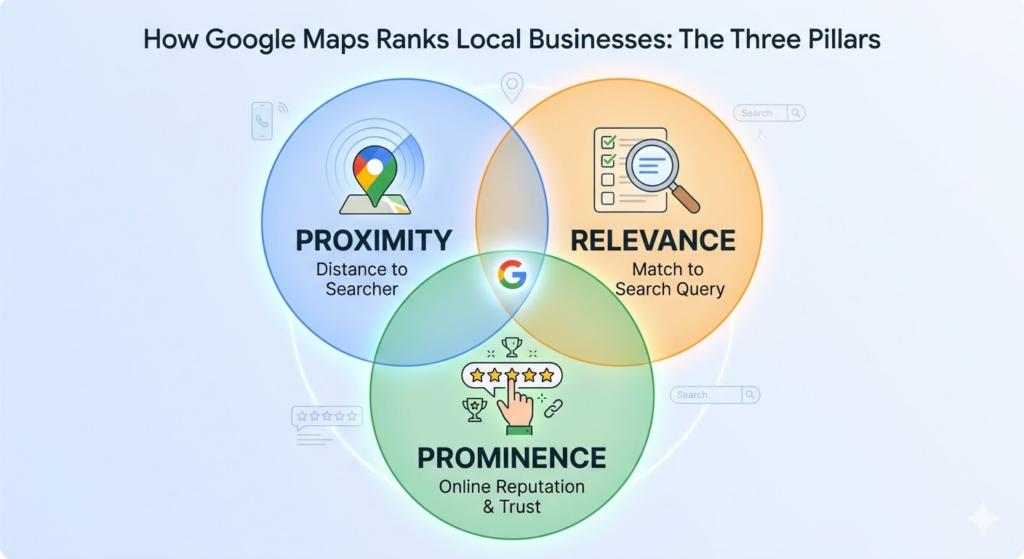
A Essential 2026 SEO Checklist for Small Brands
Table of Contents
Focusing on search intent achieves that, and that suggests more presence and pertinent leads. Believe of local SEO as a subset of local search marketing.
Sticking to Google's standards and SEO best practices is essential to make sure your business is represented precisely and plainly in search outcomes. Play by the rules, and you'll construct trust with both Google and your clients.
These guidelines cover whatever from how you present your service information to the types of content you can publish. Use naturally put keywords within your content, focusing on importance while providing an excellent user experience.
Advanced Business Profile Tools for the Map Pack
Adhering to the guidelines helps you avoid possible penalties. It also helps construct trust with Google and your clients, equating into better rankings, more regional visibility, and a stronger brand name presence. User experience (UX) contributes in both engagement and exposure. A seamless, user-friendly site keeps users engaged, reduces bounce rates, builds trust, and increases conversions.
As I discussed earlier, Google desires to give users the best possible outcomes to satisfy their needs as rapidly as possible. Take these actions to help accomplish that: Simplify website navigation. Provide a clear call to action (CTA) to guide users on what to do next.
Core Web Vitals are not a direct ranking aspect, but improving these metrics can improve user experience, decrease bounce rates, and enhance mobile functionality, which have a general favorable influence on your website's performance. Enhanced CWVs signal to Google that a site performs effectively based upon the following metrics: Biggest Contentful Paint (LCP): LCP measures how rapidly your site's primary material requires to load.
Sluggish load times annoy users and injure rankings, even if you pay to be at the top. Remember, Google only appreciates displaying the best resultsand keeping its users delighted. Interaction to Next Paint (INP): This is Google's favored step of your site's responsiveness based upon the time it considers the web browser to react to user interactions like clicks or taps.
Greater scores can negatively affect user engagement. Cumulative Layout Shift (CLS): CLS measures the stability of your website. Ever clicked something, and all of a sudden the entire page shifts around, and now you've clicked something else? That's CLS in action. A poor score signals to Google that your site isn't easy to use and will not show it above websites that receive a much better rating.
Managing Your Business Listing for Optimal Reach
Connect to us if you need help optimizing your website to rank well with regional search marketing. Another huge plus for local search marketing? You can perfectly connect it into your e-mail marketing. But do not just launch emails to everyone. Segment your e-mail list based on location. Tools like Mailchimp or Klaviyo are excellent for this.
It resembles saying to your subscribers, "Psst! This one's just for you!" Leverage dynamic material blocks to switch out areas of your e-mail based on place. This enables you to display different items or occasions to various audience sectors without creating a ton of different e-mails. Time when you send your e-mails like a regional, so they strike customers' inboxes when they're most likely to open them.
Absolutely nothing develops trust faster than seeing that your next-door neighbors enjoy a product. Consist of things like consumer reviews or user-generated content from close-by delighted clients.
Measuring Local ROI for Local Shops
Your beginning point here is running hyper-local advertisements Platforms like Google Advertisements and Facebook Ads let you target specific cities, neighborhoods, or even postal code, guaranteeing your message reaches the most pertinent audience. When was the last time you looked at an item or service evaluation? I bet it wasn't long back.
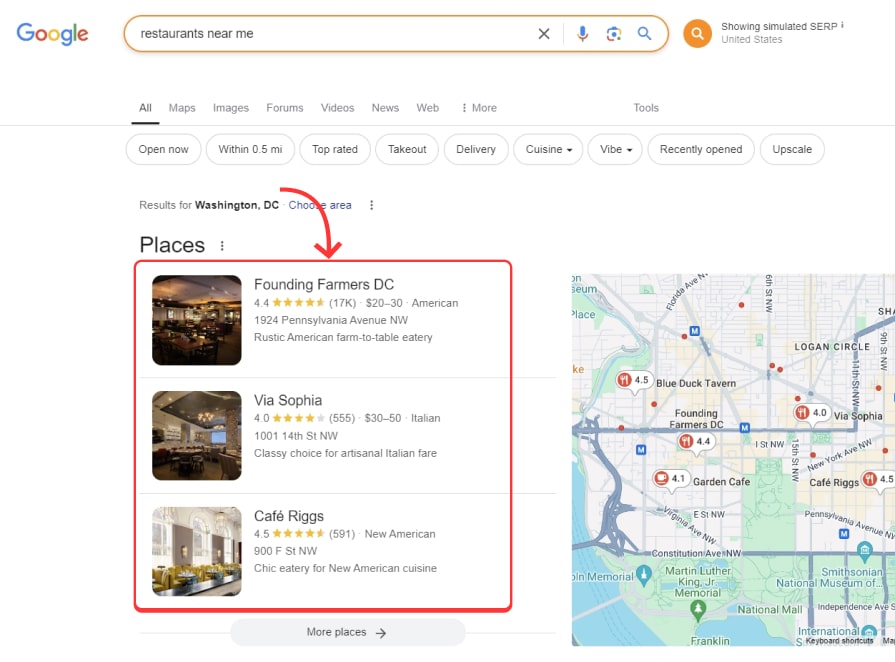
[target1:anchor_exact1]Evaluations and client reviews are essential in local search marketing. Not including them in your content technique can cost you clients and online exposure. Take an appearance at the star scores for the 3 companies listed below. Which one would you most likely choose? I'm thinking it is among the very first two options.

Latest Posts

The Advanced Local SEO Checklist
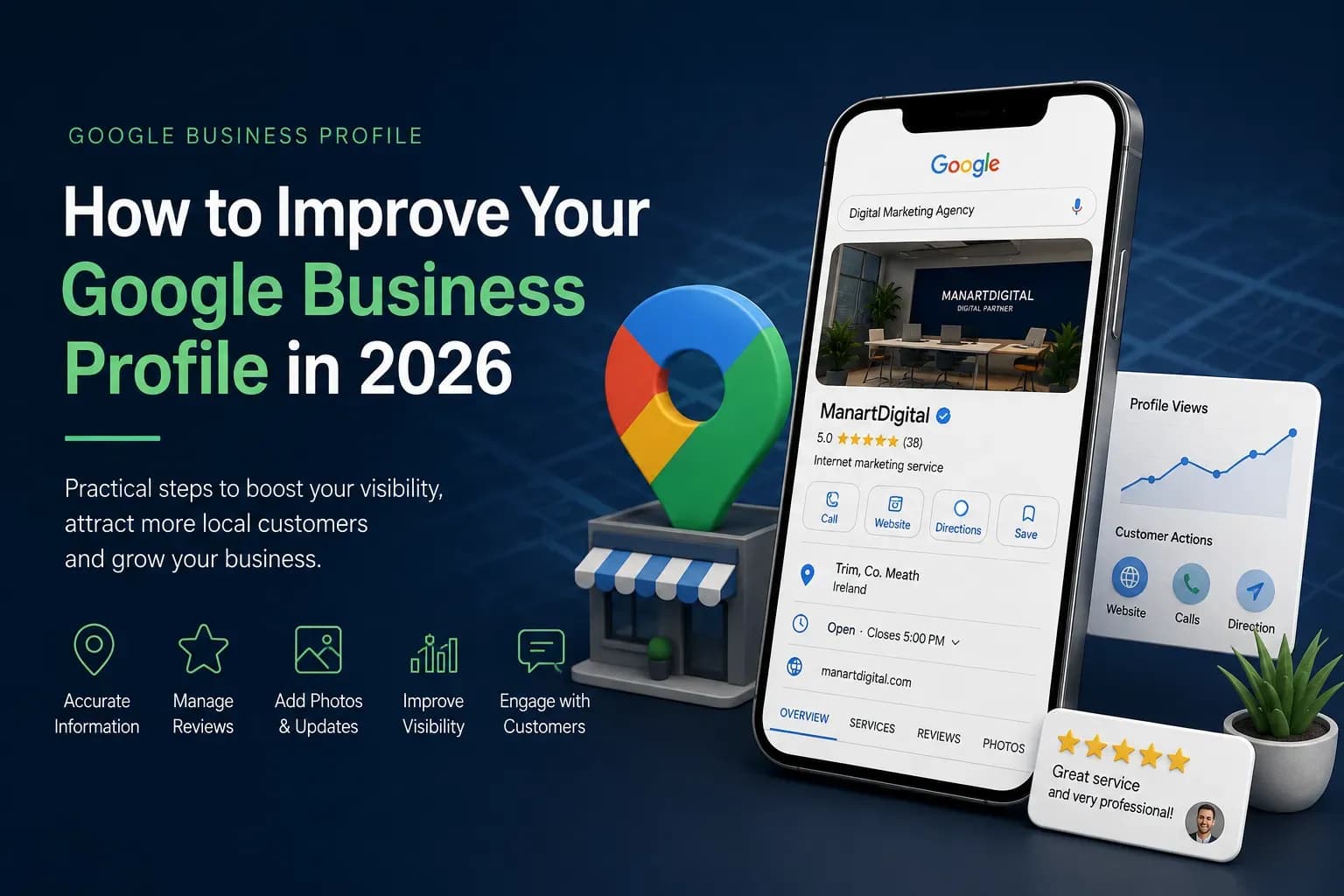
How Nearby Search Influences Local Ranking
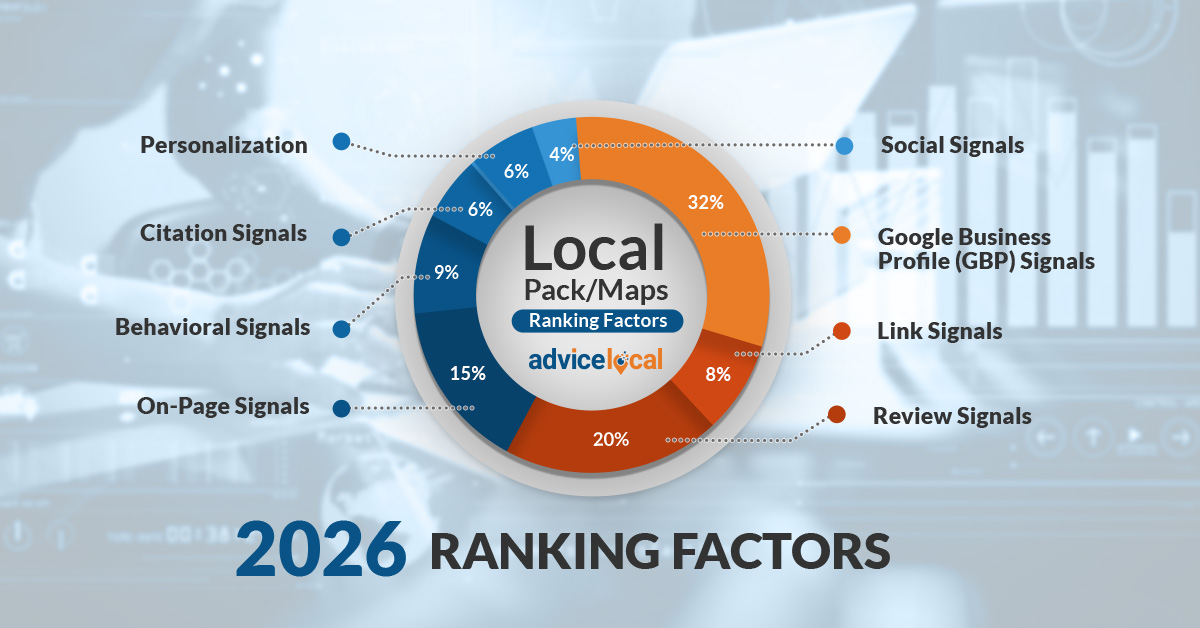
How Nearby Search Matters in Digital Economy