All Categories
Featured


Optimizing Visibility by Proximity
Table of Contents
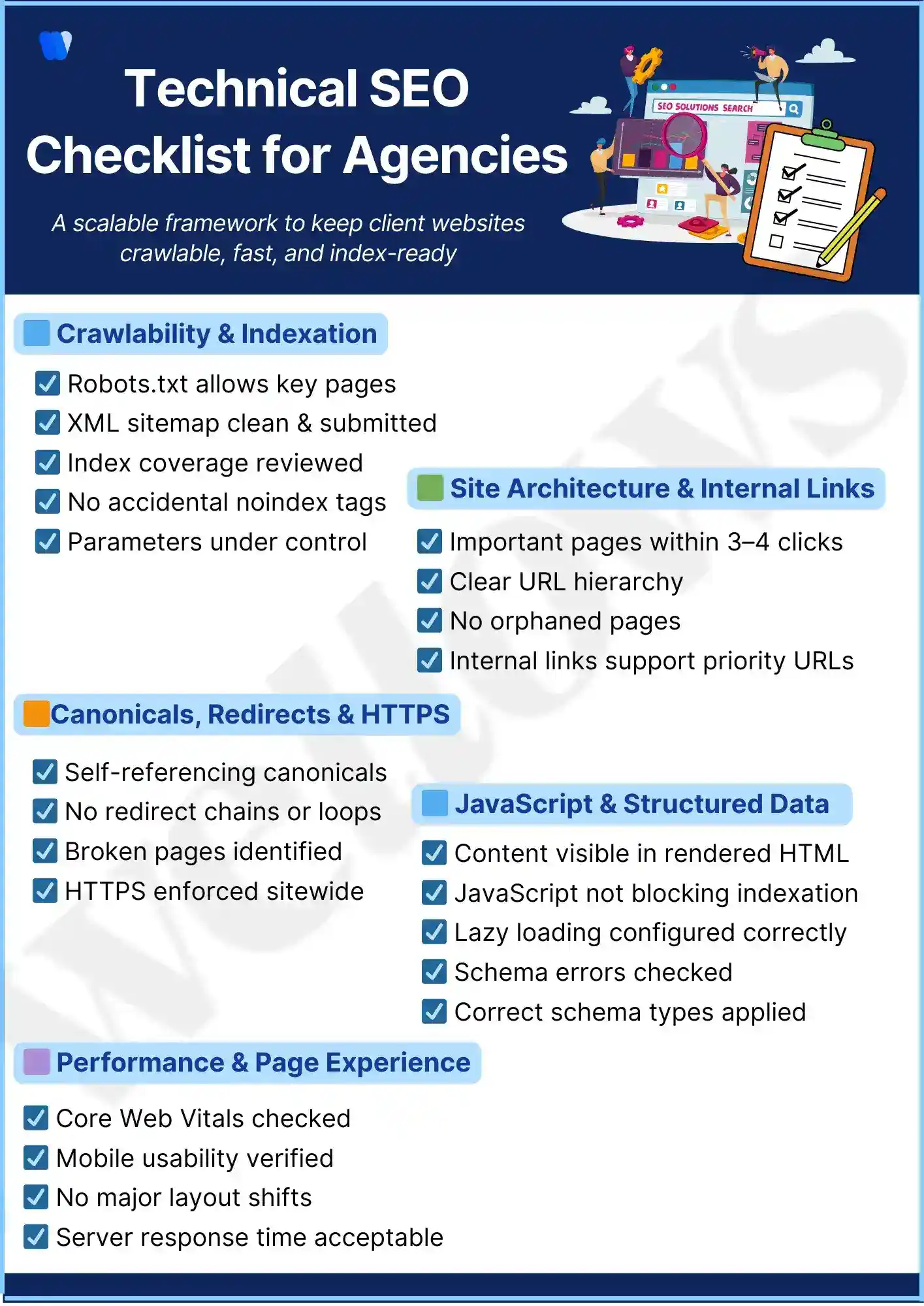
A slow-loading page may never ever be consisted of in an AI Introduction, regardless of how good the material is.? Time for the primary material to load. Target: under 2.5 seconds.?
Target: under 200ms.? 0.1 CLS Cumulative Layout Shift. Visual stability. Target: under 0.1 (components should not leap around). Leading Page Speed Optimization Techniques? Transform images to WebP/AVIF: Modern formats minimize file sizes by 3070% vs JPEG with no visible quality loss? Carry out lazy loading: Just load images/videos as users scroll toward them? Minify CSS, JavaScript, and HTML: Get rid of whitespace, comments, and unused code? Eliminate render-blocking resources: Postpone non-critical JavaScript; usage async loading? Utilize a CDN: Content Shipment Networks serve assets from servers geographically closer to the user? Enable internet browser caching: Return visitors fill your site from cache, not from scratch? Upgrade your hosting: Shared hosting is typically the single most significant speed traffic jam Enhance for Mobile It's Now the Primary Ranking Version Google uses mobile-first indexing by default.
With 62.73% of all web traffic coming from mobile phones, this isn't optional. Mobile SEO List? Responsive style: Your layout must adjust fluidly to all screen sizes not just phone-sized, but tablet and big phone too? Tap targets? 44px: Buttons and links must be big enough to tap accurately on touchscreens? Readable font style sizes: Minimum 16px body text to avoid Google's "little font" cautions? No invasive interstitials: Full-page popups that cover content on mobile are a manual action threat? Exact same material on mobile: Google's mobile crawler must be able to see the exact same material as desktop do not hide crucial sections behind accordions that do not open by default? Pass Google's Mobile-Friendly Test for every essential page Ensure Online search engine Can Find and Index Your Pages A perfectly optimized page is useless if Google can't crawl it.
inspect for unintentional blocks # BAD: This obstructs Googlebot from your ENTIRE site User-agent: Googlebot Disallow:/ # GOOD: Allow all spiders (default if no disallow rules) User-agent: * Disallow: # ALSO: Don't obstruct AI crawlers if you want AI Introduction protection User-agent: OAI-SearchBot User-agent: PerplexityBot User-agent: anthropic-ai Allow:/ Critical 2026 Note AI Crawlers Blocking AI spiders like OAI-SearchBot (ChatGPT), PerplexityBot, and Googlebot for AI Overviews suggests your material won't appear in AI-generated responses.
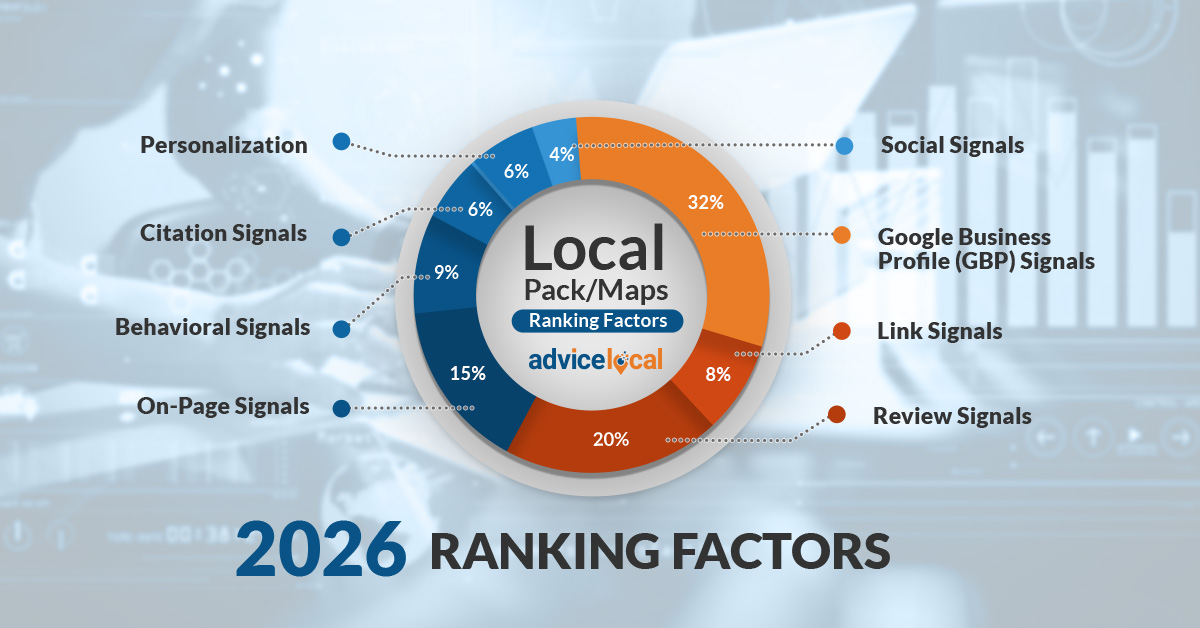
Technical Local SEO Factors within 2026
Secret pages do not have noindex meta tags unintentionally used? No pages return 404 mistakes that should be returning 200 (check Google Search Console's Protection report) Stage 6: 2026-Specific Optimizations Future-Proof Your SEO for AI Browse These three steps address the biggest shift in search given that Google's founding: the increase of AI-generated answers.
Material depth (word count, sentence count) matters more for AI citation than traffic or backlinks? ChatGPT prefers content with definite language, question marks, high entity density, and simple structures? Pages that load much faster are more likely to be consisted of by AI due to retrieval timeout restrictions Enhance Content to Be Pointed Out by AI Overviews and LLMs Generative Engine Optimization (GEO) is the emerging discipline of structuring content so it gets pointed out by AI systems.
The playbook is different from traditional SEO but complementary to it. GEO Optimization Techniques? Response Box Format: Structure your material so that each heading is a question and the very first 4060 words underneath it straight respond to that concern. This is the main source format for AI citations.? Factual Density: Include specific numbers, statistics, and data points.
? Usage Conclusive Language: Avoid hedging with "some say" or "it's possible that." State facts with confidence with sources. AI models are most likely to cite content that explains, direct claims.? Include a Strong Frequently Asked Question Section: Frequently Asked Question areas are amongst the most frequently pointed out content formats in AI Overviews.
Managing a Search Profile for 2026
? Entity Optimization: Clearly call the crucial entities (individuals, places, brands, concepts) pertinent to your subject. Google's knowledge graph rewards entity-rich material.? Implement JSON-LD Schema: Structured data makes it substantially easier for AI systems to parse and cite your content precisely. Construct Author and Brand Name Authority That AI Systems Trust AI systems much like Google's quality raters assess whether a source is trustworthy before mentioning it.
[target2:anchor_exact1]Set up a systematic monitoring procedure so you always know what's working, what's decreasing, and where new chances lie. Essential Tracking Metrics METRIC TOOL REVIEW FREQUENCY Organic impressions & clicks Google Browse Console Weekly Keyword rankings Semrush/ Ahrefs/ GSC Weekly Core Web Vitals ratings PageSpeed Insights/ Search Console Month-to-month Crawl mistakes & index coverage Google Search Console Weekly Content performance (time on page, bounce rate) Google Analytics 4 Month-to-month AI Introduction looks Semrush Position Tracking/ manual checks Monthly Content decay (pages losing traffic) Google Analytics 4 + GSC Quarterly The Iterative SEO Cycle The most effective SEO groups operate on a 90-day review cycle: audit existing content for decay, refresh the leading 20% of decreasing pages, release brand-new content targeting recognized keyword gaps, develop internal links to new pages, then measure outcomes at the 90-day mark.
Ranking in the Top 3 on Maps
This list covers every on-page SEO signal that matters in 2026 from traditional principles to advanced AI optimization. Bookmark it, resolve it step by action, and review it every quarter.
In 2026, Browse Engine Optimization is more vibrant than ever. Voice search, visual material, and AI are improving the landscape. Remaining ahead requires adjusting to these changes. This checklist will direct you through necessary SEO practices. From voice search optimization to AI-driven content, we cover it all. Our goal is to assist you rank greater and reach more users.

Let's dive into the future of SEO together. Search engines evolve rapidly. Monitoring modifications can be daunting. An SEO checklist helps simplify your strategy. By utilizing a list, you ensure all vital elements are resolved. This causes much better rankings and increased exposure. Stay updated with SEO trends and best practices.
Attain quantifiable results that line up with your objectives. A checklist supplies structure. It's your roadmap to success in the ever-changing world of SEO. Developing a strong SEO foundation is important. It guarantees your site is accessible and user-friendly. Focus on core technical and on-page components. Guarantee your site performs well on mobile phones.
They assist search engines understand your content and its importance. Craft special, keyword-rich titles for each page. Use H1, H2, and H3 tags to structure material for clarity.

Latest Posts

The Advanced Local SEO Checklist
How Nearby Search Influences Local Ranking
How Nearby Search Matters in Digital Economy